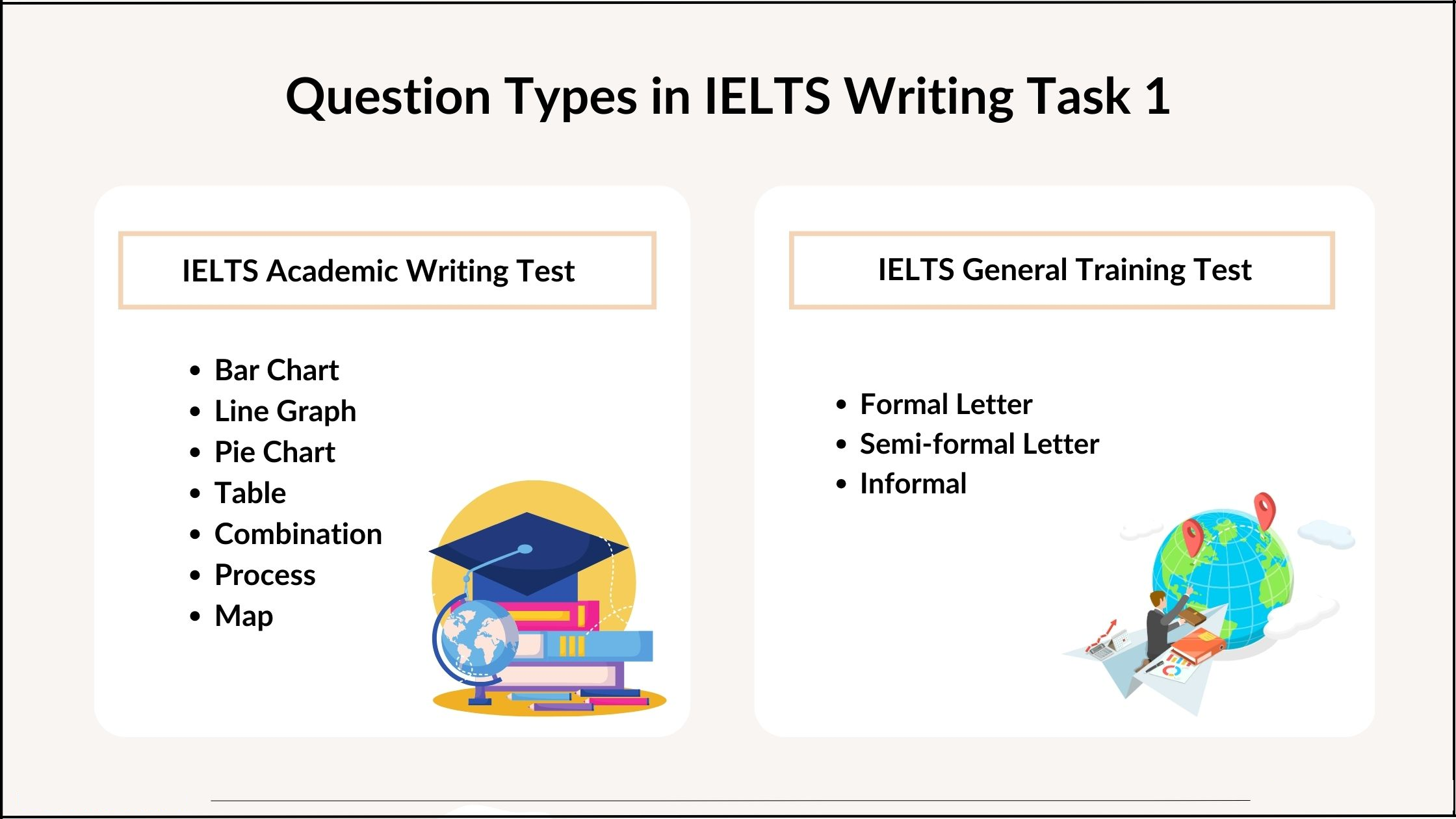
You need to write a letter of 150 words and should spend not more than 20 minutes on both of the IELTS writing task 1. The test examiner will evaluate your writing skills on the basis of the 4 different marking criteria. Every criterion is worth 25% of the candidate’s total marks for writing task 1. IELTS writing score is ranges on a 0-9 level, and you must achieve a 7+ band for a successful admission process. There are mainly 7 different types of questions on IELTS writing task 1; bar chart, line graph, pie chart, table, combination, process, and map. It is important to do regular practice with IELTS exam writing task 1 sample papers for better understanding of the topics. You can effectively prepare for the writing section by joining a coaching center, reading comprehensive IELTS books, and by taking practice tests from verified resources. Writing Task 1 counts for about 33% of your writing marks. There are four marking criteria each worth 25% which are Task Achievement/Coherence & Cohesion/Vocabulary/Grammar.
IELTS Writing Task One Academic
To achieve a high score in IELTS Academic Writing task 1 designed to plan the essay correctly. The candidate has to know what to say. Identifying the main graphic features, and finding comparisons to write, the candidate must be able to form the ideas into a well-structured essay. It’s important to remember that IELTS writing part 1 academic is not an essay, it is a report. The candidate won’t have the time to count all the words during the exam. IELTS topics for writing task 1 suggested, always aiming to write about 10% of what is expected to be written.
BAR CHART
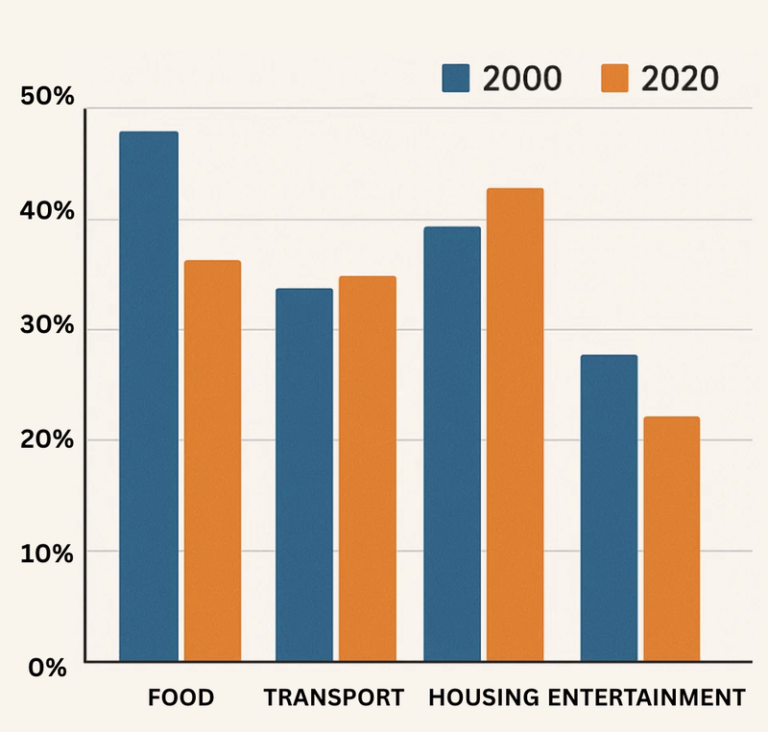
While writing the bar chart in task 1 writing academic IELTS, it is important to analyze the ielts graphs correctly. The chart can be dynamic or static, and that will affect the chosen information and the use of languages.
LINE GRAPH
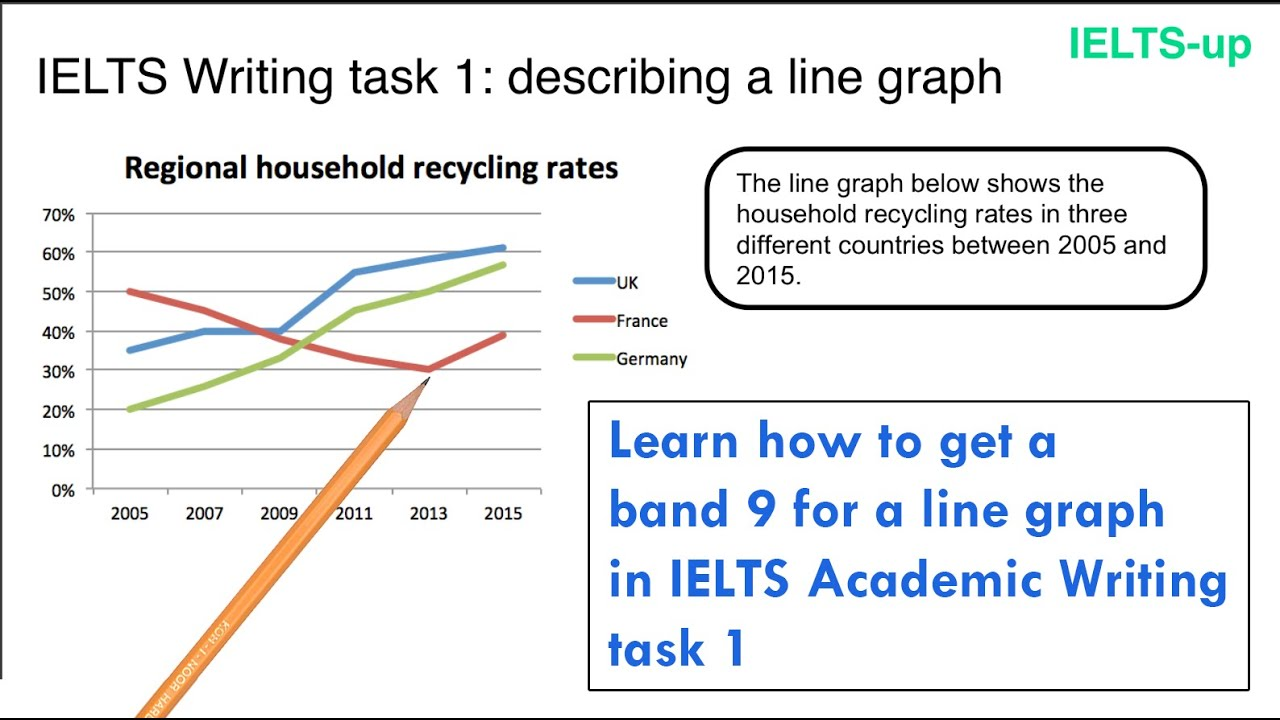
The line graph task 1 follows paraphrasing questions and, the overview of the main features. The line graph on IELTS writing topics of the task 1 academic gives the information of a report and projections, and the candidate has to summarise the information by reporting and selecting the main features.
TABLE
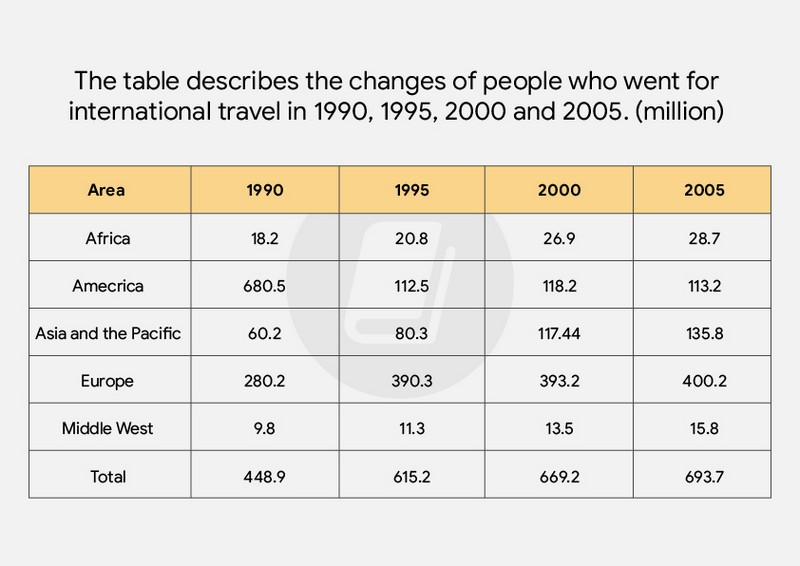
IELTS Academic Writing Task 1 table includes pieces of information, prediction scores, and analytical reports. The candidate is required to use both future and past tense forms according to the information on the table.
PIE CHART
IELTS exam pattern for task 1 writing academic IELTS has a pie chart task 1. It evaluates the candidate’s ability to summarise and select the key features of the chart, and have to make relevant comparisons.
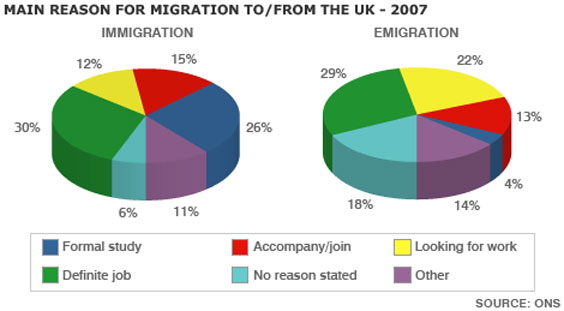
Diagram or Process
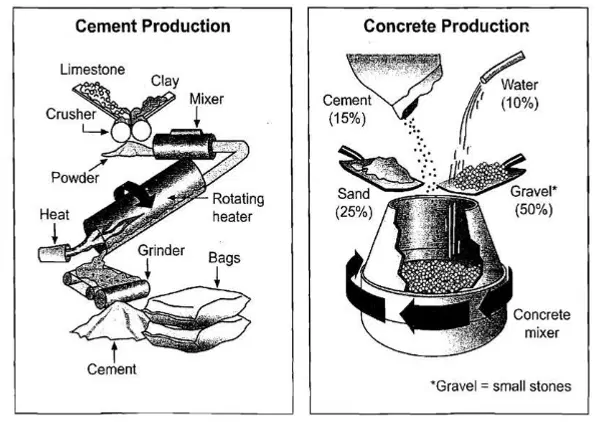
The diagram model in task 1 writing academic IELTS is also known as process. The candidate must have an overview, required to pay attention to the key stage summary in the statements process.
Map
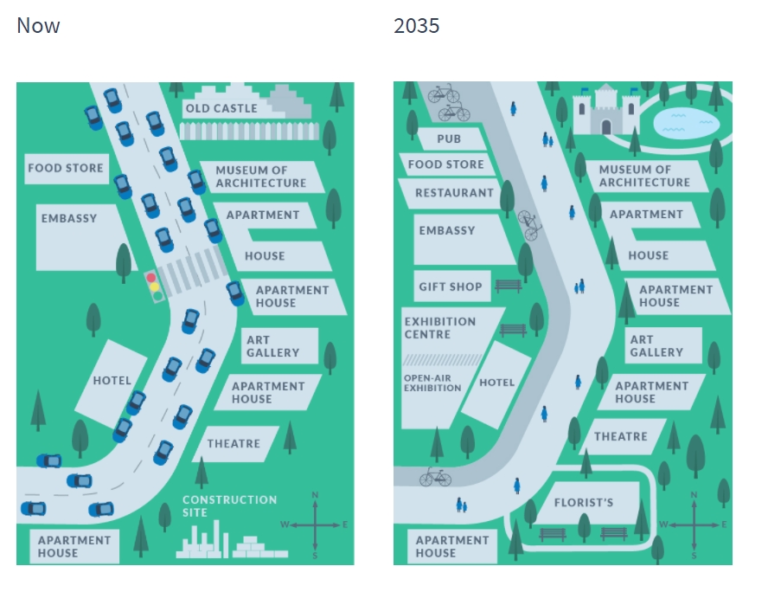
Candidates are required to compare a map from the past with the present one on task 1 writing academic IELTS.
IELTS Writing Task One General
For the IELTS Writing Task 1 General, the candidates are asked to respond to given problems. The candidate is required to write a letter including the information or explaining a situation in the General Writing Task 1. In that given 20 minutes, the candidates are suggested to write a 150-word letter. The letters in IELTS writing task 1 for general comprise three types: formal letter, personal, and semi-formal. IELTS general writing task 1 evaluates candidates on their ability to write personal correspondence, elicit and provide general factual information, express needs, like-dislikes, and wants, and express their opinions.